Marie Mulcahy Bsc Hons Western Herbal Medicine
Marie Mulcahy l BSc Hons Western Herbal Medicine | NIMH Registered | Online Consultations UK-Wide
You've been told everything looks "normal"...
But you still don't feel like yourself.
Perhaps your periods have changed.
You're exhausted no matter how much you sleep.
Your skin suddenly isn't behaving the way it used to.
You've been told you have PMOS (formerly PCOS), you're navigating perimenopause, or you simply know something isn't quite right even if your blood tests have come back "normal."
If you're tired of joining the dots on your own, you're in the right place.
I help women make sense of complex hormone symptoms through evidence-based herbal medicine and deeply personalised care.
Because your body isn't working against you.
It's communicating with you.
And together, we'll take the time to understand what it's trying to say.
Discover my approach -
You know your body.....

You know when something feels different
Maybe you've been told it's stress.
Or ageing.
Or that your results are "within normal range."
Yet you still don't have the energy you used to.
Your periods have changed.
Your digestion feels unpredictable.
Your sleep doesn't refresh you
Or perhaps you've been quietly wondering if this is simply something you have to accept.
I don't believe you should have to settle for uncertainty.
One of the things I hear most often from women when they first arrive is,
"I finally feel like someone is listening."
That matters.
Because before we talk about herbs...
Before we talk about treatment...
We begin with your story.

A different approach to hormone health
Hormones don't exist in isolation.
Neither do the women living with them.
That's why I don't focus on one symptom or one diagnosis.
Instead, we look at the bigger picture.
Together we'll explore how different systems in your body may be influencing one another, including:
Hormones and menstrual health
PMOS (formerly PCOS)
Perimenopause and menopause
Thyroid health
Digestive health and the gut microbiome
Stress and nervous system regulation
Sleep, energy and resilience
Nutrition and metabolic health
Because understanding why something is happening is often the first step towards meaningful change.
What's it like to work with me? 🌿
🌿 No two women walk into my clinic with exactly the same story.
So no two treatment plans are ever the same.
Every consultation is designed to help you:
🌿 Feel heard—not rushed.
🌿 Understand what's happening in your body.
🌿 Receive an individualised plan based on your health history, symptoms and goals.
🌿 Feel confident about the next steps in your hormone journey.
This isn't about chasing quick fixes or the latest wellness trend.
It's about thoughtful, evidence-based care that's tailored to you.
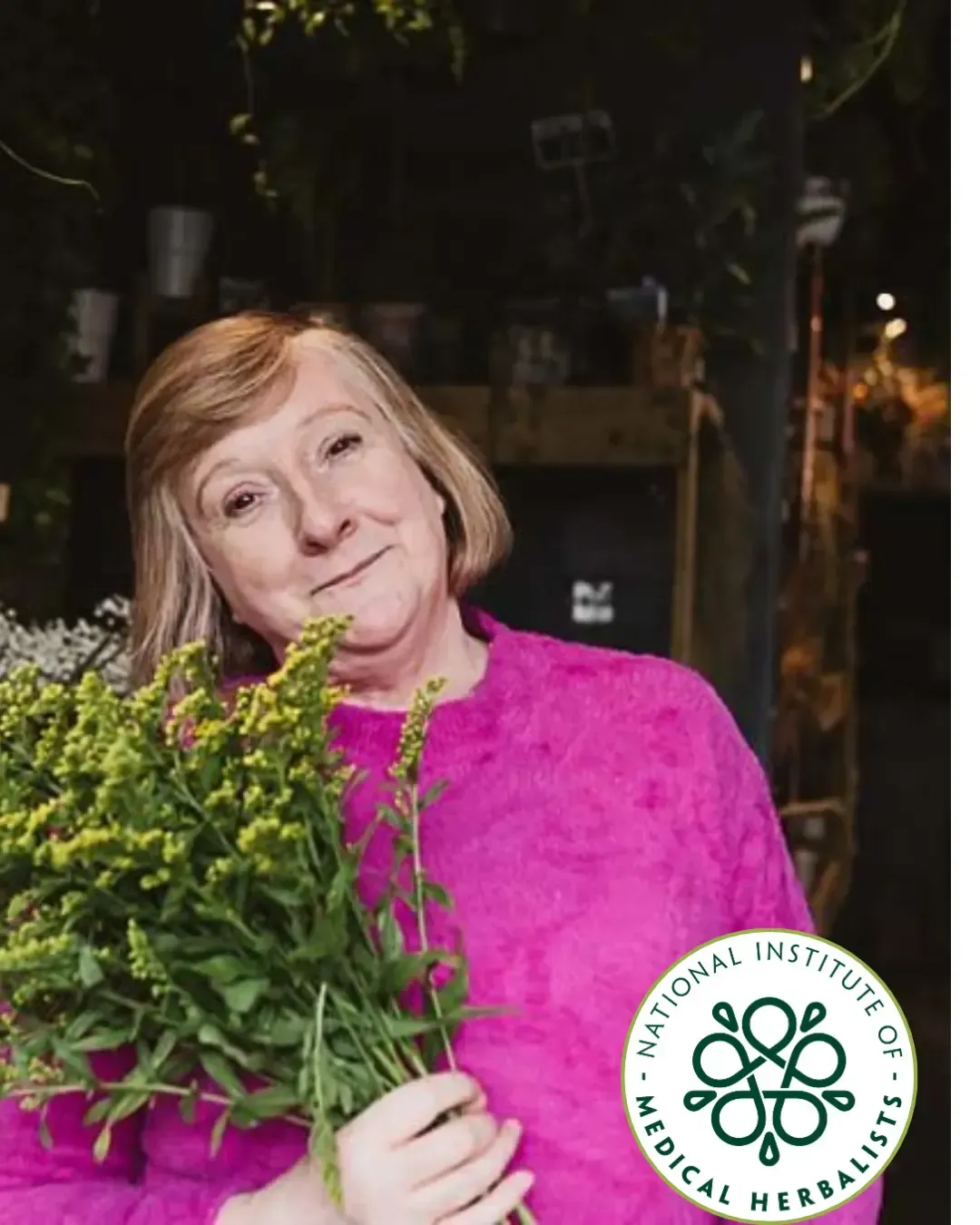
Hello, I’m Marie
Hi, I'm Marie.
I'm a Registered Medical Herbalist with a special interest in women's hormone health.
Over the years, I've supported women experiencing everything from PMOS and painful periods to perimenopause, fatigue and complex hormone symptoms that often don't fit neatly into one diagnosis.
One thing I've learnt is this:
No blood test, scan or diagnosis can ever tell me as much as the woman sitting in front of me.
That's why I take the time to listen first.
Because when we understand the whole story, we can make far better decisions about how to support your health.
What my patients experience

Patient's Feedback
Cycles that feel more settled
Energy that becomes steadier
Sleep that deepens gradually
Mood that feels less reactive
A renewed sense of clarity and confidence
YOU'RE IN THE RIGHT PLACE IF YOU...
if you’re ready to understand your body and commit to meaningful change.
it's not for quick supplemenation recommendations or one -off conversations. Because reclaiming balance takes intention
How you can work with me
If you are ready for structured, specialist hormone health care

Not sure where to start?
Every woman's journey is different.
That's why I've created several ways to begin, depending on where you are right now.
🌿 Just starting your journey?
Not sure which option is right for you?
Complete my complimentary questionnaire and I'll help point you towards the most appropriate next step.
Start Here → Hormone Health Questionnaire🌼 Looking for practical support you can start today?
Hormone Reset (£97)
If you're not quite ready for a consultation but would like a structured, evidence-based starting point, Hormone Reset is a gentle way to begin supporting your health.
Book your Hormone Reset Session £97🌳 Ready for personalised support?
Whether you're looking for comprehensive hormone care, specialist PMDD support or a one-off consultation, we'll find the pathway that's right for you.
Explore Ways to Work With Me →
A Pathway from Awareness to Support
Whether you are new to understanding your hormones or ready for clinical support, there is a place for you here.
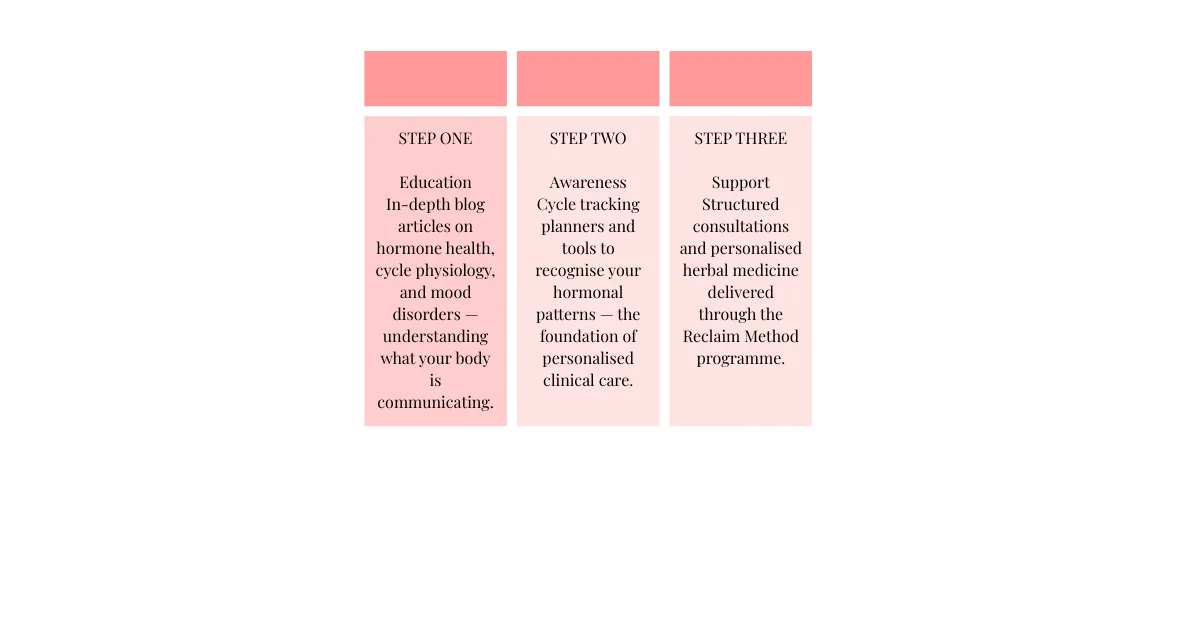
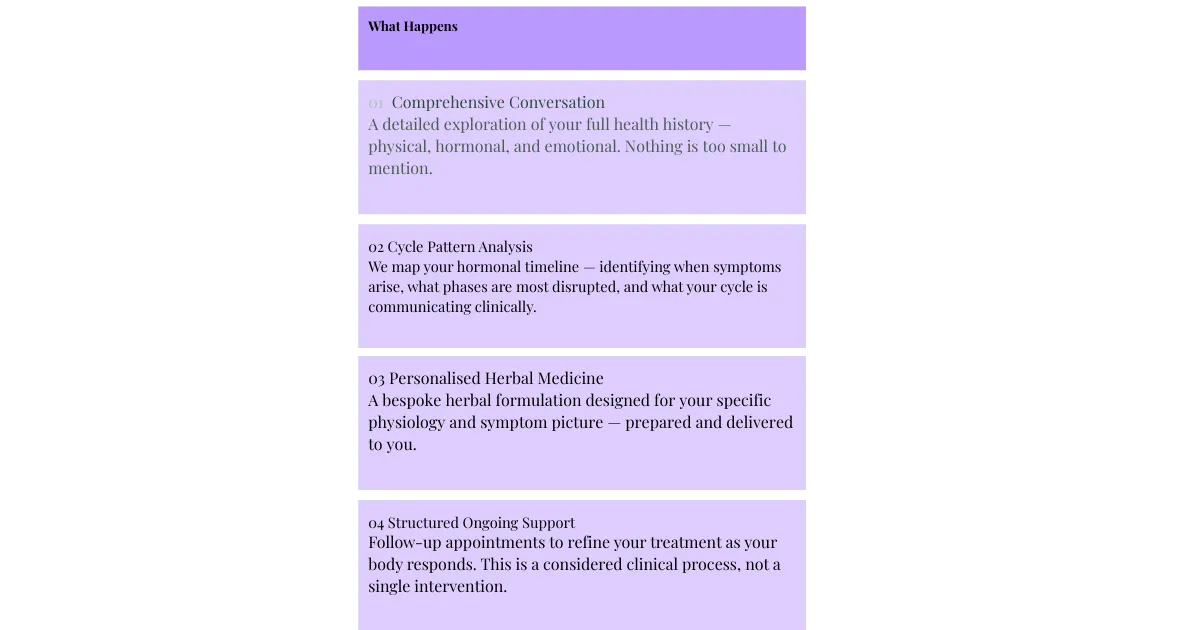
From Your First Consultation
FREE RESOURCES
join my....
Join the Hormone Health Inner Circle
Get instant access to my free Anti-inflammatory Recipes Pack — simple, nourishing recipes designed to help your body feel calmer and more supported, starting with your very next meal.
No fluff. No diet culture nonsense.
Just food that works with your body, not against it.
As a VIP member, you'll also be first to hear about new resources, offers, and updates as I create them.
Nature keeps you Well
All things natural health
🎙 Listen with Marie
Prefer to learn while you're walking the dog or driving to work?
Explore my podcast, where I break down hormone health into practical, evidence-based conversations.
→ Listen to the Podcast

Free Hormone Clarity Guide
Something feels off, but you can't quite name it. Not dramatic enough for the doctor, not subtle enough to ignore.
This guide helps you start noticing the pattern — energy, mood, sleep, symptoms so your body's story finally makes sense. No overwhelm, no long checklists. Just clarity.
Direct link, no email capture):
GET MY FREE GUIDE →

Free guide to Hormonal mood disorders and cycle-related mental health
No fluff — just a clear, evidence-based overview of the key hormone-related conditions affecting mood: PMOS, PMDD, perimenopause and more.
If you've ever wondered whether what you're feeling is "just you" or actually connected to your hormones, this guide will help you join the dots.
Explore the Hormone Library
I believe understanding your body shouldn't feel overwhelming.
That's why I've created a growing collection of evidence-based articles and podcast episodes designed to help you make sense of your hormones with confidence.
Start with some of the most popular topics:
• PMOS (formerly PCOS)
• Perimenopause
• Hormone testing explained
• Gut health and hormones
• Fatigue and energy
Explore the Hormone Library →

Thyroid Symptoms in Women That Often Get Missed
Thyroid Symptoms in Women That Often Get Missed
Ever found yourself feeling exhausted despite getting enough sleep? Struggling with stubborn weight changes, brain fog, or mood swings that don't seem to have an obvious explanation?
You're not alone.
For many women, thyroid issues can quietly develop over months — or even years — before they're properly identified. The challenge? Many thyroid symptoms are subtle, easily dismissed, or mistaken for stress, ageing, hormonal fluctuations, or simply having a busy life.
Let's take a closer look at the thyroid symptoms in women that are commonly overlooked, and why paying attention to them matters.
First Things First: What Does the Thyroid Actually Do?
The thyroid is a small butterfly-shaped gland located at the front of your neck. Despite its size, it plays a huge role in regulating your body's metabolism, energy production, temperature, mood, heart rate, and hormone balance.
When the thyroid isn't functioning properly, it can affect virtually every system in the body.
The two most common thyroid conditions are:
Hypothyroidism (underactive thyroid)
Hyperthyroidism (overactive thyroid)
While both can cause significant symptoms, women are 5 to 10 times more likely than men to develop thyroid disorders.
1. Constant Fatigue That Doesn't Improve With Rest
Feeling tired after a busy week is normal. Feeling exhausted all the time — even after a full night's sleep — isn't.
Many women with thyroid dysfunction describe a deep, persistent fatigue that coffee, exercise, or extra sleep simply can't fix.
Because fatigue is such a common complaint, it's often attributed to stress, parenting, work demands, or menopause before thyroid health is ever considered.
2. Brain Fog and Difficulty Concentrating
Do you find yourself forgetting appointments, struggling to focus, losing your train of thought mid-conversation, or feeling mentally "slower" than usual?
Brain fog is one of the most commonly missed thyroid symptoms. Many women assume they're overwhelmed or burnt out, when in reality thyroid hormone imbalances may be affecting cognitive function and mental clarity.
3. Unexplained Weight Changes
Most people associate thyroid conditions with weight gain or weight loss. But what often gets missed is how difficult these changes can be to explain.
Women with hypothyroidism may notice weight gain despite no significant changes to diet or exercise habits. Meanwhile, hyperthyroidism can sometimes lead to unexpected weight loss, even when appetite increases.
If your weight is shifting without a clear reason, it's worth discussing with your healthcare provider.
4. Hair Thinning and Hair Loss
Noticing more hair in the shower drain? Seeing your ponytail become thinner?
Hair changes are frequently overlooked because they can also occur during periods of stress, postpartum recovery, or hormonal shifts. However, thyroid hormones play an important role in hair growth cycles. When thyroid levels become imbalanced, hair may become thinner, drier, or more prone to shedding.
5. Feeling Cold When Everyone Else Is Comfortable
One surprisingly common symptom of an underactive thyroid is increased sensitivity to cold.
If you're constantly reaching for a jumper while everyone around you seems comfortable, your thyroid could be playing a role. Since thyroid hormones help regulate body temperature, low thyroid function can make it harder for your body to generate and maintain heat.
6. Changes in Mood
Mood symptoms often get attributed to life stressors, anxiety, or depression alone. But thyroid dysfunction can significantly influence emotional wellbeing.
Women may experience:
Low mood
Increased anxiety
Irritability
Loss of motivation
Feeling emotionally "flat"
Because mental health symptoms can occur alongside thyroid disorders, it's important to look at the whole picture rather than treating each symptom in isolation.
7. Changes in Menstrual Cycles
Your thyroid and reproductive hormones are closely connected. An underactive or overactive thyroid can contribute to:
Heavier periods
Lighter periods
Irregular cycles
Fertility challenges
More severe PMS symptoms
For some women, menstrual changes may be one of the earliest signs that something isn't quite right.
8. Dry Skin and Brittle Nails
Skin and nail changes are often dismissed as seasonal, age-related, or cosmetic concerns. Yet thyroid hormone imbalances can affect skin turnover and hydration levels.
Common signs include:
Dry, rough skin
Brittle nails
Cracked heels
Increased skin sensitivity
While these symptoms may seem minor, they can provide important clues when combined with other thyroid-related symptoms.
9. Digestive Changes
Your thyroid also influences how efficiently your digestive system functions.
Women with hypothyroidism may experience constipation, slower digestion, or bloating. Women with hyperthyroidism may notice more frequent bowel movements or digestive urgency.
Because digestive symptoms are so common, the thyroid connection is often overlooked.
When Should You Speak to a Healthcare Professional?
One isolated symptom doesn't necessarily mean you have a thyroid condition.
However, if you're experiencing multiple symptoms — particularly fatigue, brain fog, weight changes, hair loss, menstrual irregularities, or mood changes — it may be worth discussing thyroid testing with your healthcare provider.
Early diagnosis and treatment can make a significant difference to both quality of life and long-term health outcomes.
The Bottom Line
The challenge with thyroid disorders isn't always the symptoms themselves. It's that many of those symptoms are easy to explain away.
Thyroid Symptoms in Women That Often Get Missed
Ever found yourself feeling exhausted despite getting enough sleep? Struggling with stubborn weight changes, brain fog, or mood swings that don't seem to have an obvious explanation?
You're not alone.
For many women, thyroid issues can quietly develop over months — or even years — before they're properly identified. The challenge? Many thyroid symptoms are subtle, easily dismissed, or mistaken for stress, ageing, hormonal fluctuations, or simply having a busy life.
Let's take a closer look at the thyroid symptoms in women that are commonly overlooked, and why paying attention to them matters.
First Things First: What Does the Thyroid Actually Do?
The thyroid is a small butterfly-shaped gland located at the front of your neck. Despite its size, it plays a huge role in regulating your body's metabolism, energy production, temperature, mood, heart rate, and hormone balance.
When the thyroid isn't functioning properly, it can affect virtually every system in the body.
The two most common thyroid conditions are:
Hypothyroidism (underactive thyroid)
Hyperthyroidism (overactive thyroid)
While both can cause significant symptoms, women are 5 to 10 times more likely than men to develop thyroid disorders.
1. Constant Fatigue That Doesn't Improve With Rest
Feeling tired after a busy week is normal. Feeling exhausted all the time — even after a full night's sleep — isn't.
Many women with thyroid dysfunction describe a deep, persistent fatigue that coffee, exercise, or extra sleep simply can't fix.
Because fatigue is such a common complaint, it's often attributed to stress, parenting, work demands, or menopause before thyroid health is ever considered.
2. Brain Fog and Difficulty Concentrating
Do you find yourself forgetting appointments, struggling to focus, losing your train of thought mid-conversation, or feeling mentally "slower" than usual?
Brain fog is one of the most commonly missed thyroid symptoms. Many women assume they're overwhelmed or burnt out, when in reality thyroid hormone imbalances may be affecting cognitive function and mental clarity.
3. Unexplained Weight Changes
Most people associate thyroid conditions with weight gain or weight loss. But what often gets missed is how difficult these changes can be to explain.
Women with hypothyroidism may notice weight gain despite no significant changes to diet or exercise habits. Meanwhile, hyperthyroidism can sometimes lead to unexpected weight loss, even when appetite increases.
If your weight is shifting without a clear reason, it's worth discussing with your healthcare provider.
4. Hair Thinning and Hair Loss
Noticing more hair in the shower drain? Seeing your ponytail become thinner?
Hair changes are frequently overlooked because they can also occur during periods of stress, postpartum recovery, or hormonal shifts. However, thyroid hormones play an important role in hair growth cycles. When thyroid levels become imbalanced, hair may become thinner, drier, or more prone to shedding.
5. Feeling Cold When Everyone Else Is Comfortable
One surprisingly common symptom of an underactive thyroid is increased sensitivity to cold.
If you're constantly reaching for a jumper while everyone around you seems comfortable, your thyroid could be playing a role. Since thyroid hormones help regulate body temperature, low thyroid function can make it harder for your body to generate and maintain heat.
6. Changes in Mood
Mood symptoms often get attributed to life stressors, anxiety, or depression alone. But thyroid dysfunction can significantly influence emotional wellbeing.
Women may experience:
Low mood
Increased anxiety
Irritability
Loss of motivation
Feeling emotionally "flat"
Because mental health symptoms can occur alongside thyroid disorders, it's important to look at the whole picture rather than treating each symptom in isolation.
7. Changes in Menstrual Cycles
Your thyroid and reproductive hormones are closely connected. An underactive or overactive thyroid can contribute to:
Heavier periods
Lighter periods
Irregular cycles
Fertility challenges
More severe PMS symptoms
For some women, menstrual changes may be one of the earliest signs that something isn't quite right.
8. Dry Skin and Brittle Nails
Skin and nail changes are often dismissed as seasonal, age-related, or cosmetic concerns. Yet thyroid hormone imbalances can affect skin turnover and hydration levels.
Common signs include:
Dry, rough skin
Brittle nails
Cracked heels
Increased skin sensitivity
While these symptoms may seem minor, they can provide important clues when combined with other thyroid-related symptoms.
9. Digestive Changes
Your thyroid also influences how efficiently your digestive system functions.
Women with hypothyroidism may experience constipation, slower digestion, or bloating. Women with hyperthyroidism may notice more frequent bowel movements or digestive urgency.
Because digestive symptoms are so common, the thyroid connection is often overlooked.
When Should You Speak to a Healthcare Professional?
One isolated symptom doesn't necessarily mean you have a thyroid condition.
However, if you're experiencing multiple symptoms — particularly fatigue, brain fog, weight changes, hair loss, menstrual irregularities, or mood changes — it may be worth discussing thyroid testing with your healthcare provider.
Early diagnosis and treatment can make a significant difference to both quality of life and long-term health outcomes.
The Bottom Line
The challenge with thyroid disorders isn't always the symptoms themselves. It's that many of those symptoms are easy to explain away.
Women are often told they're stressed, busy, ageing, hormonal, or simply doing too much. While those factors can absolutely play a role, persistent symptoms deserve attention.
Your body has a way of communicating when something isn't quite right. The key is learning to listen.
If you've been experiencing ongoing fatigue, brain fog, unexplained weight changes, or other symptoms that don't seem to add up, speaking with a healthcare professional may be an important next step.
Because sometimes what looks like "just life" is actually your thyroid asking for help.
Go take my quiz to see where your hormones are at:
References & further reading
National Institute for Health and Care Excellence. Thyroid disease: assessment and management (NG145). 2019. https://www.nice.org.uk/guidance/ng145
British Thyroid Foundation — patient information on thyroid disorders. https://www.btf-thyroid.org
Comparison between GP and a Medical Herbalist
What is Herbal Medicine
Tell me more about conditions you work with
Anxiety Click on this condition here
Thyroid Click on this condition here
Menopause Click on this condition here
Women's Hormones Click on this condition here
75 min private portal
🔥 ABSENT BUT ACHIEVING
A Nervous System + Soul Reset for High-Functioning Women
You look fine.
You’re functioning.
You’re achieving.
But you don’t feel here.
You don’t need to crash to deserve reconnection.
In 60–75 minutes, you’ll feel back in your body — grounded, regulated, and present again.
Instant access.
Just £19
Digital planner
30 day lifestyle reset planner
The 30-Day Lifestyle Reset System
Rebuild Healthy Habits. Restore Discipline.
Rebuild Healthy Habits. Regain Momentum. Feel Like Yourself Again.
A Guided Digital Planner with Daily Prompts, Habit Trackers & Weekly Check-Ins.
Instant Download | Printable PDF
Feel Like Yourself Again.
For the woman who’s been in survival mode —
and is ready to come back home to herself.
Just £18
.