Marie Mulcahy Bsc Hons Western Herbal Medicine
Marie Mulcahy l BSc Hons Western Herbal Medicine | NIMH Registered | Online Consultations UK-Wide
You've been told everything looks "normal"...
But you still don't feel like yourself.
Perhaps your periods have changed.
You're exhausted no matter how much you sleep.
Your skin suddenly isn't behaving the way it used to.
You've been told you have PMOS (formerly PCOS), you're navigating perimenopause, or you simply know something isn't quite right even if your blood tests have come back "normal."
If you're tired of joining the dots on your own, you're in the right place.
I help women make sense of complex hormone symptoms through evidence-based herbal medicine and deeply personalised care.
Because your body isn't working against you.
It's communicating with you.
And together, we'll take the time to understand what it's trying to say.
Discover my approach -
You know your body.....

You know when something feels different
Maybe you've been told it's stress.
Or ageing.
Or that your results are "within normal range."
Yet you still don't have the energy you used to.
Your periods have changed.
Your digestion feels unpredictable.
Your sleep doesn't refresh you
Or perhaps you've been quietly wondering if this is simply something you have to accept.
I don't believe you should have to settle for uncertainty.
One of the things I hear most often from women when they first arrive is,
"I finally feel like someone is listening."
That matters.
Because before we talk about herbs...
Before we talk about treatment...
We begin with your story.

A different approach to hormone health
Hormones don't exist in isolation.
Neither do the women living with them.
That's why I don't focus on one symptom or one diagnosis.
Instead, we look at the bigger picture.
Together we'll explore how different systems in your body may be influencing one another, including:
Hormones and menstrual health
PMOS (formerly PCOS)
Perimenopause and menopause
Thyroid health
Digestive health and the gut microbiome
Stress and nervous system regulation
Sleep, energy and resilience
Nutrition and metabolic health
Because understanding why something is happening is often the first step towards meaningful change.
What's it like to work with me? 🌿
🌿 No two women walk into my clinic with exactly the same story.
So no two treatment plans are ever the same.
Every consultation is designed to help you:
🌿 Feel heard—not rushed.
🌿 Understand what's happening in your body.
🌿 Receive an individualised plan based on your health history, symptoms and goals.
🌿 Feel confident about the next steps in your hormone journey.
This isn't about chasing quick fixes or the latest wellness trend.
It's about thoughtful, evidence-based care that's tailored to you.
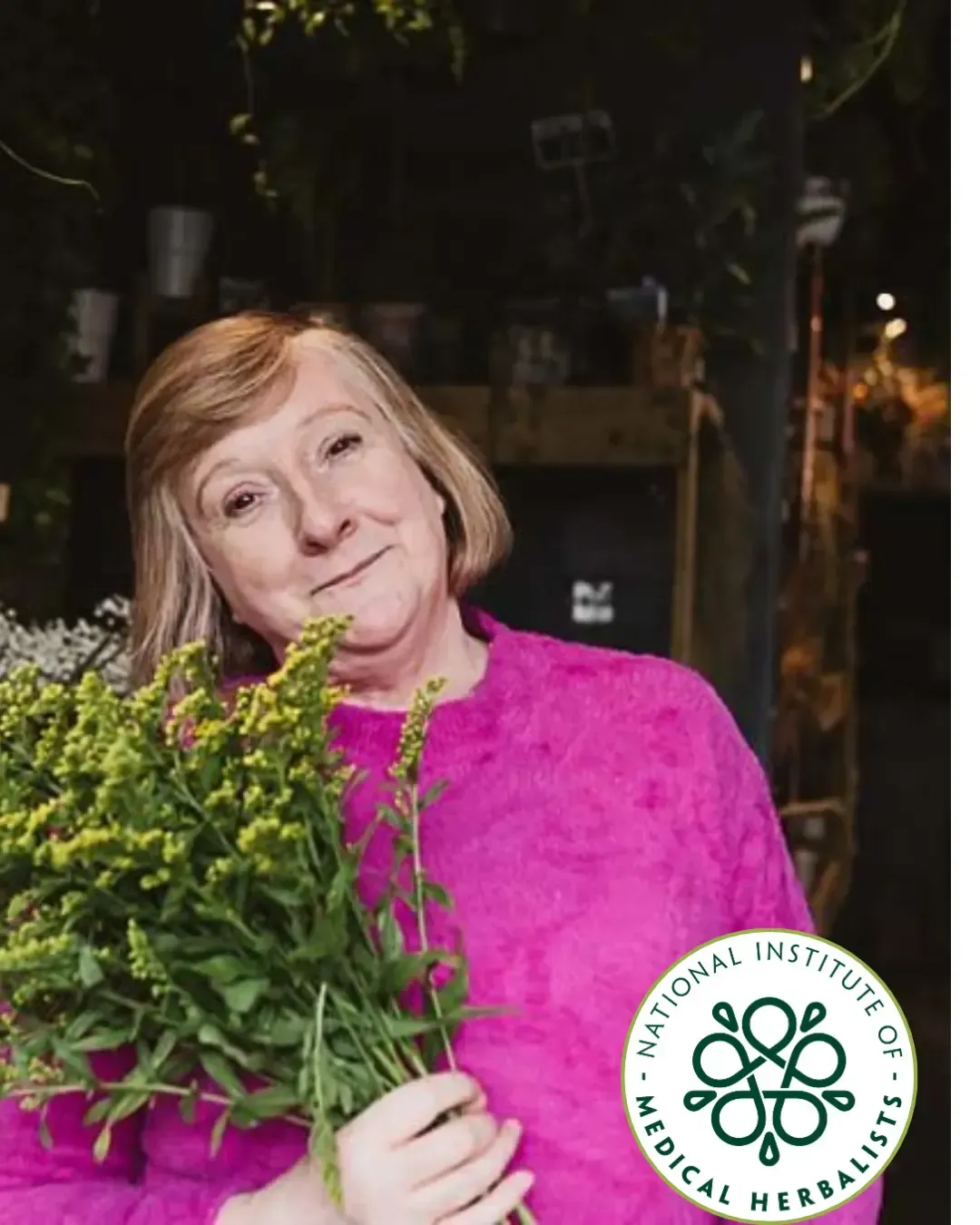
Hello, I’m Marie
Hi, I'm Marie.
I'm a Registered Medical Herbalist with a special interest in women's hormone health.
Over the years, I've supported women experiencing everything from PMOS and painful periods to perimenopause, fatigue and complex hormone symptoms that often don't fit neatly into one diagnosis.
One thing I've learnt is this:
No blood test, scan or diagnosis can ever tell me as much as the woman sitting in front of me.
That's why I take the time to listen first.
Because when we understand the whole story, we can make far better decisions about how to support your health.
What my patients experience

Patient's Feedback
Cycles that feel more settled
Energy that becomes steadier
Sleep that deepens gradually
Mood that feels less reactive
A renewed sense of clarity and confidence
YOU'RE IN THE RIGHT PLACE IF YOU...
if you’re ready to understand your body and commit to meaningful change.
it's not for quick supplemenation recommendations or one -off conversations. Because reclaiming balance takes intention
How you can work with me
If you are ready for structured, specialist hormone health care

Not sure where to start?
Every woman's journey is different.
That's why I've created several ways to begin, depending on where you are right now.
🌿 Just starting your journey?
Not sure which option is right for you?
Complete my complimentary questionnaire and I'll help point you towards the most appropriate next step.
Start Here → Hormone Health Questionnaire🌼 Looking for practical support you can start today?
Hormone Reset (£97)
If you're not quite ready for a consultation but would like a structured, evidence-based starting point, Hormone Reset is a gentle way to begin supporting your health.
Book your Hormone Reset Session £97🌳 Ready for personalised support?
Whether you're looking for comprehensive hormone care, specialist PMDD support or a one-off consultation, we'll find the pathway that's right for you.
Explore Ways to Work With Me →
A Pathway from Awareness to Support
Whether you are new to understanding your hormones or ready for clinical support, there is a place for you here.
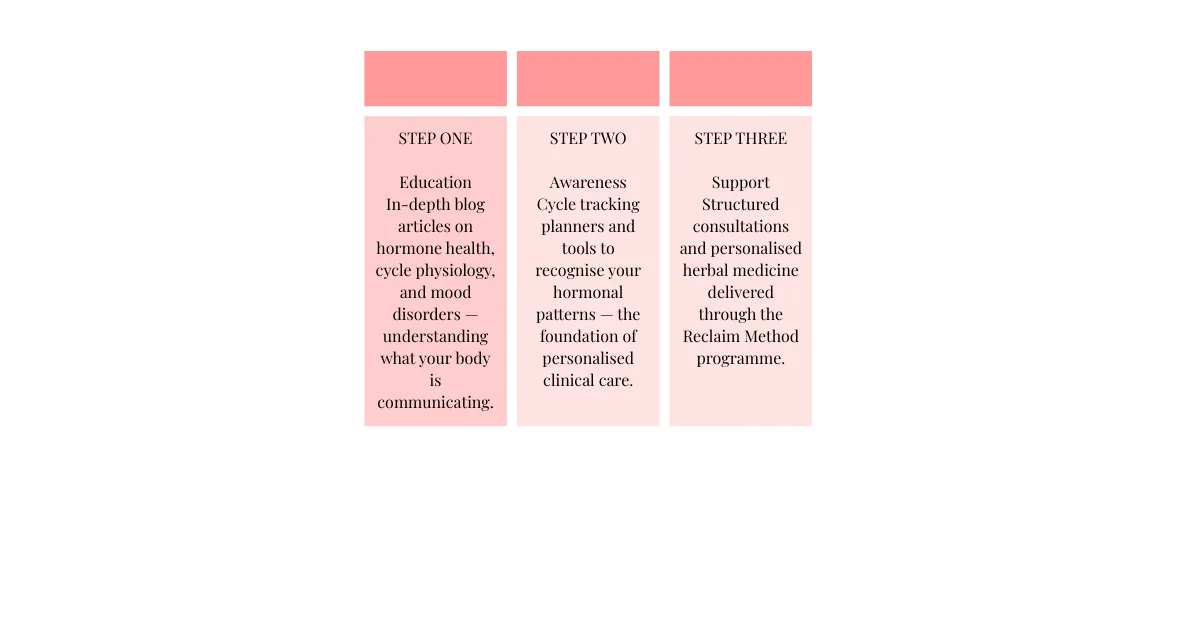
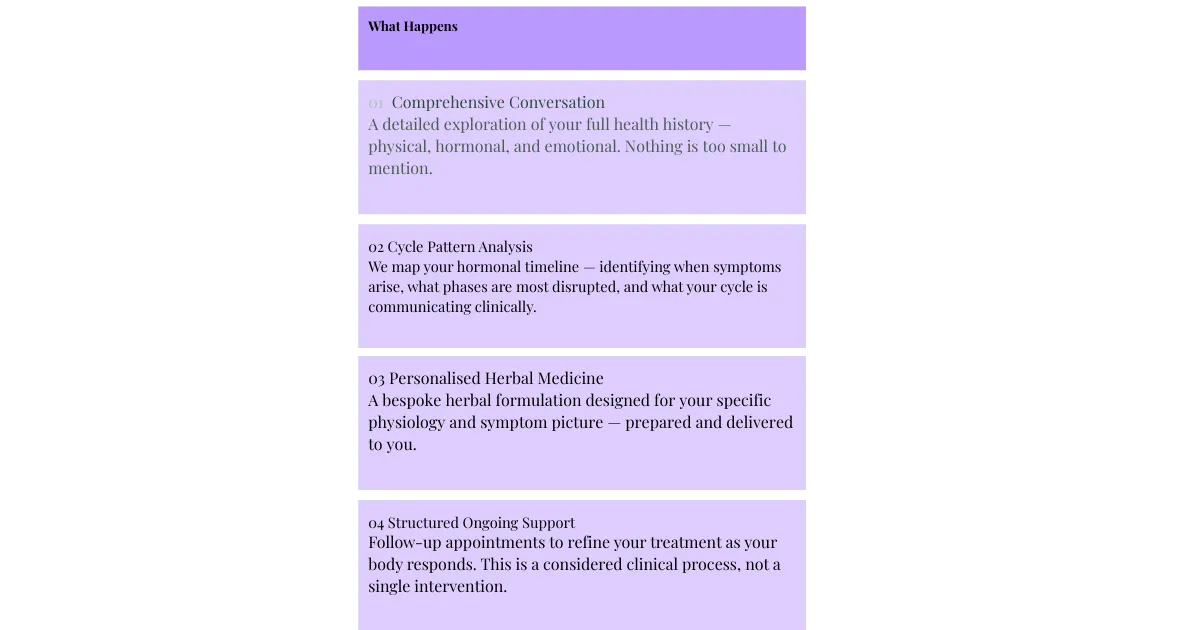
From Your First Consultation
FREE RESOURCES
join my....
Join the Hormone Health Inner Circle
Get instant access to my free Anti-inflammatory Recipes Pack — simple, nourishing recipes designed to help your body feel calmer and more supported, starting with your very next meal.
No fluff. No diet culture nonsense.
Just food that works with your body, not against it.
As a VIP member, you'll also be first to hear about new resources, offers, and updates as I create them.
Nature keeps you Well
All things natural health
🎙 Listen with Marie
Prefer to learn while you're walking the dog or driving to work?
Explore my podcast, where I break down hormone health into practical, evidence-based conversations.
→ Listen to the Podcast

Free Hormone Clarity Guide
Something feels off, but you can't quite name it. Not dramatic enough for the doctor, not subtle enough to ignore.
This guide helps you start noticing the pattern — energy, mood, sleep, symptoms so your body's story finally makes sense. No overwhelm, no long checklists. Just clarity.
Direct link, no email capture):
GET MY FREE GUIDE →
Free guide to Hormonal mood disorders and cycle-related mental health
No fluff — just a clear, evidence-based overview of the key hormone-related conditions affecting mood: PMOS, PMDD, perimenopause and more.
If you've ever wondered whether what you're feeling is "just you" or actually connected to your hormones, this guide will help you join the dots.

Explore the Hormone Library
I believe understanding your body shouldn't feel overwhelming.
That's why I've created a growing collection of evidence-based articles and podcast episodes designed to help you make sense of your hormones with confidence.
Start with some of the most popular topics:
• PMOS (formerly PCOS)
• Perimenopause
• Hormone testing explained
• Gut health and hormones
• Fatigue and energy
Explore the Hormone Library →

7 Anti-Inflammatory Breakfast Recipes for PCOS | Herbalist-Approved Blog Post
7 Anti-Inflammatory Breakfast Recipes My PCOS Clients Swear By
If you have PCOS, you know that what you eat for breakfast can set the tone for your entire day — impacting your energy, blood sugar stability, and inflammation levels. Choosing the right breakfast is not just about staying full; it’s about supporting hormone balance and reducing inflammatory stress from the moment your day begins.
PCOS is strongly associated with chronic low-grade inflammation and insulin resistance, both of which can disrupt hormonal communication and metabolic function. When inflammation remains elevated, the body may struggle to regulate blood sugar, ovulation, mood, and energy levels. This is why many people with PCOS notice that certain breakfasts lead to fatigue, cravings, digestive discomfort, or brain fog within hours of eating.
An anti-inflammatory breakfast for PCOS focuses on stabilising blood sugar while reducing inflammatory signalling. Meals rich in fibre, protein, healthy fats, and phytonutrients can help lower post-meal glucose spikes, support insulin sensitivity, and create a more balanced hormonal environment throughout the day.
In this guide, you’ll find 7 anti-inflammatory breakfast recipes for PCOS designed to be practical, nourishing, and supportive of real bodies and real lives. These recipes are not about restriction or perfection — they’re about creating metabolic and nervous system conditions that allow the body to function more efficiently.
From an herbalist perspective, food is more than fuel — it’s biological information. When foods and herbs are thoughtfully combined, they can gently support digestion, hormone regulation, and inflammatory balance, helping the body move out of stress and into repair.
Before diving into the recipes, it’s important to remember that there is no single “perfect” PCOS breakfast. Every body responds differently, especially when inflammation and insulin resistance are involved. These anti-inflammatory PCOS breakfast recipes are designed to be flexible — allowing you to adjust ingredients and portions based on what supports your blood sugar, digestion, and energy levels best.
As you move through each recipe, pay attention to how your body responds after eating. Improvements in energy, reduced cravings, steadier mood, and better digestion are all signs that inflammation and blood sugar regulation are being supported. The first recipe below focuses on foundational blood sugar balance — a key step in reducing inflammation and supporting PCOS symptoms throughout the day.
Recipe 1 - PCOS-Friendly Golden Turmeric Oats
Prep: 5 mins | Cook: 10 mins | Serves: 2
Ingredients:
1 cup steel-cut oats (or rolled oats)
2 cups unsweetened almond milk
1 tsp ground turmeric
½ tsp ground cinnamon
¼ tsp ground ginger
Pinch of black pepper (enhances turmeric absorption)
1 tbsp ground flaxseed
1 tbsp almond butter
Fresh berries for topping
Optional: 1 tsp raw honey or a few drops of stevia
Instructions:
Combine oats and almond milk in a saucepan
Add turmeric, cinnamon, ginger, and black pepper
Cook on medium heat, stirring occasionally, for 8-10 minutes
Remove from heat and stir in ground flaxseed
Divide into bowls, top with almond butter and fresh berries
Drizzle with honey if desired
Herbalist's Note: The combination of turmeric with black pepper increases the absorption of curcumin by up to 2000%. Cinnamon helps regulate blood sugar, particularly important for PCOS management. The omega-3s from flaxseed provide additional anti-inflammatory benefits.
Why This Works for PCOS:
Low glycemic index prevents blood sugar spikes
Cinnamon improves insulin sensitivity
Turmeric reduces inflammation at the cellular level
High fiber supports hormonal elimination
Keeps you full for 3-4 hours
Recipe 2 - Hormone-Balancing Green Smoothie Bowl
Prep: 10 mins | Serves: 1
Ingredients:
1 cup spinach or kale
½ frozen banana
½ cup frozen berries (blueberries, raspberries)
1 tbsp chia seeds (pre-soaked if possible)
1 tbsp hemp hearts
½ tsp fresh grated ginger
1 cup unsweetened coconut milk or almond milk
½ scoop plant-based protein powder (optional)
Ice cubes as needed
Toppings:
Fresh berries
Pumpkin seeds
Coconut flakes (unsweetened)
Sliced almonds
Bee pollen (if not allergic)
Instructions:
Combine all smoothie ingredients in a high-speed blender
Blend until completely smooth, adding ice to reach desired thickness
Pour into a bowl
Arrange toppings artfully
Eat with a spoon, savoring each bite
Herbalist's Note: Leafy greens are rich in magnesium, which many women with PCOS are deficient in. The fiber helps regulate blood sugar while supporting healthy estrogen metabolism through the gut.
Why This Works for PCOS:
Antioxidant-rich to combat oxidative stress
Natural anti-inflammatory compounds from berries and greens
Fiber slows sugar absorption
Plant-based protein supports stable energy
Omega-3s from chia and hemp reduce inflammation
Recipe 3 - Savory Turmeric Scrambled Eggs with Greens
Prep: 5 mins | Cook: 10 mins | Serves: 2
Ingredients:
4 omega-3 enriched eggs
2 cups fresh spinach
½ cup cherry tomatoes, halved
¼ red onion, diced
1 tsp turmeric powder
½ tsp ground cumin
Pinch of black pepper
1 tbsp olive oil or coconut oil
Fresh herbs (parsley, cilantro)
Optional: ¼ avocado per serving
Instructions:
Heat oil in a non-stick pan over medium heat
Sauté onion until translucent (2-3 minutes)
Add tomatoes and cook for 2 minutes
Whisk eggs with turmeric, cumin, and black pepper
Add spinach to pan and wilt (1 minute)
Pour in eggs, stirring gently to scramble
Cook until just set but still soft
Top with fresh herbs and avocado if using
Herbalist's Note: Eggs are an excellent source of choline, which supports liver function—important for hormone metabolism. The sulfur compounds in eggs also support detoxification pathways.
Why This Works for PCOS:
High protein stabilizes blood sugar
Healthy fats support hormone production
Turmeric reduces inflammation
Greens provide essential nutrients
Savory breakfast option for those who don't like sweet
Recipe 4 - Anti-Inflammatory Chia Pudding Parfait
Prep: 10 mins | Chill: 4 hours or overnight | Serves: 2
Ingredients:
Chia Layer:
¼ cup chia seeds
1 cup unsweetened coconut milk
½ tsp vanilla extract
½ tsp cinnamon
¼ tsp ground ginger
Optional: 5 drops liquid stevia or 1 tsp maple syrup
Berry Compote:
1 cup mixed berries (fresh or frozen)
1 tsp fresh lemon juice
½ tsp fresh grated ginger
Toppings:
Crushed walnuts or almonds
Coconut yogurt (unsweetened)
Fresh mint leaves
Instructions:
Mix chia seeds, coconut milk, vanilla, cinnamon, and ginger in a jar
Stir well and refrigerate for at least 4 hours or overnight
For compote: gently heat berries, lemon, and ginger until berries soften (5 mins)
Let compote cool
Layer chia pudding, berry compote, and yogurt in a glass
Top with nuts and mint
Herbalist's Note: Chia seeds are one of nature's richest sources of omega-3 fatty acids (ALA), which convert to anti-inflammatory compounds in the body. Their high fiber content also supports healthy gut bacteria, crucial for hormone balance.
Why This Works for PCOS:
Omega-3s combat inflammation
Low glycemic, won't spike blood sugar
High fiber supports regularity and hormone elimination
Antioxidants from berries
Make-ahead convenience
Recipe 5 - Cinnamon-Spiced Protein Pancakes
Prep: 10 mins | Cook: 15 mins | Serves: 2 (makes 6-8 small pancakes)
Ingredients:
1 cup almond flour
2 eggs
¼ cup unsweetened almond milk
1 tsp cinnamon
½ tsp baking powder
¼ tsp nutmeg
Pinch of salt
½ tsp vanilla extract
Coconut oil for cooking
Toppings:
Fresh berries
Almond butter
Cinnamon
Unsweetened coconut yogurt
Crushed walnuts
Instructions:
Mix all dry ingredients in a bowl
Whisk eggs, almond milk, and vanilla in another bowl
Combine wet and dry ingredients until just mixed
Heat coconut oil in a non-stick pan over medium heat
Pour ¼ cup batter per pancake
Cook until bubbles form (2-3 minutes), then flip
Cook another 2 minutes until golden
Serve warm with toppings
Herbalist's Note: Almond flour is lower in carbohydrates than wheat flour and provides protein, healthy fats, and vitamin E. Cinnamon not only adds flavor but has been shown in studies to improve insulin sensitivity.
Why This Works for PCOS:
Grain-free, lower carb option
Protein-rich keeps you satisfied
Cinnamon supports blood sugar regulation
Healthy fats from almonds
Feels indulgent but PCOS-friendly
Recipe 6 - Warming Ginger-Turmeric Golden Milk Latte
Prep: 5 mins | Cook: 5 mins | Serves: 1
Ingredients:
1½ cups unsweetened almond or coconut milk
1 tsp ground turmeric (or 1 inch fresh turmeric root, grated)
½ tsp ground ginger (or ½ inch fresh ginger, grated)
½ tsp cinnamon
Pinch of black pepper
Pinch of cardamom (optional)
½ tsp coconut oil
Optional: 3-5 drops stevia or ½ tsp raw honey
Instructions:
Combine all ingredients in a small saucepan
Whisk while heating over medium heat
Bring to a gentle simmer (don't boil)
Simmer for 3-4 minutes, whisking occasionally
Strain if using fresh ginger/turmeric
Pour into a mug and enjoy warm
Herbalist's Note: This is a traditional Ayurvedic remedy I often recommend to clients. The combination of warming spices supports circulation, reduces inflammation, and can be particularly helpful for morning stiffness or digestive sluggishness common in PCOS.
Why This Works for PCOS:
Potent anti-inflammatory properties
Supports liver function and detoxification
Warming and energizing without caffeine
Black pepper enhances turmeric absorption by 2000%
Can replace inflammatory coffee for some women
Recipe 7 - Mediterranean Veggie Frittata Muffins (Meal Prep)
Prep: 15 mins | Cook: 25 mins | Makes: 12 muffins
Ingredients:
8 eggs
¼ cup unsweetened almond milk
1 cup chopped spinach
½ cup diced bell peppers (mixed colors)
½ cup cherry tomatoes, quartered
¼ cup red onion, diced
¼ cup black olives, sliced
2 cloves garlic, minced
1 tsp dried oregano
½ tsp turmeric
Salt and pepper to taste
Optional: crumbled feta cheese (2 tbsp per muffin)
Instructions:
Preheat oven to 180°C (350°F)
Grease a 12-cup muffin tin with olive oil or use silicone cups
Whisk eggs, almond milk, turmeric, oregano, salt, and pepper
Distribute vegetables evenly among muffin cups
Pour egg mixture over vegetables (about ¾ full)
Top with feta if using
Bake for 20-25 minutes until set and lightly golden
Cool for 5 minutes before removing from tin
Storage: Refrigerate for up to 5 days or freeze for up to 3 months
Herbalist's Note: These are perfect for meal prep. The Mediterranean vegetables provide anti-inflammatory compounds, while the eggs offer sustained protein. Make a batch on Sunday and you have grab-and-go breakfasts all week.
Why This Works for PCOS:
High protein stabilizes blood sugar all morning
Portable and convenient
Anti-inflammatory vegetables
Meal prep reduces stress and decision fatigue
Can be eaten cold or reheated
Tips for Making These Recipes Work for You
Customization Ideas:
Dairy-free: All recipes use plant-based milk; easily adaptable
Egg-free: Try chia pudding or smoothie bowl options
Nut-free: Swap almond products for sunflower seed butter or oat milk
Extra protein: Add plant-based protein powder to smoothies and pancakes
Meal Prep Strategy:
Make frittata muffins and chia pudding on Sunday
Pre-portion smoothie ingredients in freezer bags
Batch cook oats and refrigerate for 3-4 days
Keep golden milk spice mix pre-blended in a jar
Blood Sugar Management:
Always pair carbs with protein and healthy fats
Eat within 1 hour of waking to stabilize blood sugar
Don't skip breakfast—it sets your metabolic tone
Notice how you feel 2-3 hours after eating
The Herbal Medicine Connection
As a medical herbalist, I view food as foundational medicine. These recipes incorporate anti-inflammatory herbs and spices that I commonly recommend to PCOS clients:
Turmeric (Curcuma longa): Reduces inflammatory markers, supports liver function, may improve insulin sensitivity
Cinnamon (Cinnamomum verum): Helps regulate blood sugar, reduces insulin resistance, anti-inflammatory
Ginger (Zingiber officinale): Anti-inflammatory, supports digestion, reduces nausea, circulatory stimulant
These culinary herbs work synergistically with any prescribed herbal medicines you may be taking. Think of these breakfast recipes as your daily anti-inflammatory foundation, while customized herbal prescriptions address your specific PCOS pattern.
TYING IT BACK TO PCOS + INFLAMMATION
PCOS is not just a hormonal condition it’s a whole-body experience shaped by inflammation, metabolic stress, and nervous system load. While no single meal can “fix” PCOS, consistent anti-inflammatory support can meaningfully change how the body functions over time.
The breakfasts in this guide are not about control or perfection. They’re about reducing inflammatory pressure, stabilising blood sugar, and creating a gentler internal environment where hormones can communicate more effectively. When inflammation is lowered, the body has more capacity for repair, regulation, and resilience.
From an herbalist perspective, healing is rarely about doing more it’s about doing what supports the body’s natural rhythms. Food is one of the most accessible tools we have to influence inflammation daily, especially first thing in the morning.
If you take one thing from this guide, let it be this: your symptoms are not random, and your body is not working against you. With the right inputs nourishment, steadiness, and patience it can begin to respond differently.
Start where you are. Choose what feels supportive. And let breakfast become a place of regulation, not stress.
Want personalized nutrition and herbal medicine guidance for your PCOS? Book a consultation to receive customized dietary recommendations alongside your herbal treatment plan. Together, we'll create a comprehensive approach to managing your PCOS naturally.
Anti-Inflammatory Breakfast Recipes for PCOS
Frequently asked questions about anti-inflammatory eating and PCOS
Why does diet matter so much in PCOS? Diet has a direct impact on PCOS because the condition is strongly driven by insulin resistance and chronic low-grade inflammation — both of which are significantly influenced by what you eat. When blood sugar rises sharply after meals, insulin spikes in response. In women with PCOS, elevated insulin stimulates the ovaries to produce excess androgens such as testosterone, which drives many of the most distressing PCOS symptoms including acne, hair loss, irregular cycles, and difficulty ovulating. An anti-inflammatory, blood sugar stabilising diet addresses these mechanisms at their root rather than simply managing symptoms.
What makes a breakfast anti-inflammatory for PCOS? An anti-inflammatory breakfast for PCOS prioritises protein, healthy fats, and fibre while minimising refined carbohydrates and sugar. Protein and fat slow glucose absorption, preventing the sharp insulin spikes that worsen androgen excess in PCOS. Fibre from vegetables, nuts, and seeds supports gut health and healthy oestrogen clearance. Specific anti-inflammatory foods including berries, oily fish, flaxseeds, turmeric, and leafy greens provide polyphenols and omega-3 fatty acids that directly dampen the inflammatory pathways active in PCOS. Starting the day with a blood sugar stabilising meal sets the metabolic tone for the rest of the day.
Should women with PCOS avoid carbohydrates completely? No — complete carbohydrate avoidance is neither necessary nor sustainable for most women with PCOS. The goal is to choose the right carbohydrates and combine them appropriately rather than eliminate them entirely. Complex carbohydrates from whole foods — oats, sweet potato, quinoa, legumes, root vegetables — release glucose slowly and provide important fibre and nutrients. These are very different metabolically from refined carbohydrates such as white bread, breakfast cereals, pastries, and sugar. Pairing any carbohydrate with protein and fat further reduces its glycaemic impact.
How long does it take for diet changes to improve PCOS symptoms? Most women notice initial improvements in energy, bloating, and mood within 4-6 weeks of consistent anti-inflammatory dietary changes. Improvements in menstrual cycle regularity typically take 3-6 months, as the cycle requires time to respond to reduced androgen levels and improved ovarian function. Skin changes such as reduced acne may take a similar timeframe. Blood sugar and insulin markers often improve more quickly — sometimes within weeks — which is measurable through testing if you want to track progress.
Can herbal medicine support PCOS alongside dietary changes? Yes — herbal medicine works synergistically with dietary approaches in PCOS. Inositol, particularly myo-inositol and d-chiro-inositol, has the strongest clinical evidence for improving insulin sensitivity and ovulation in PCOS. Vitex agnus-castus supports LH regulation and progesterone production, which helps restore cycle regularity. Cinnamon has evidence for improving insulin sensitivity. Spearmint tea has been shown in studies to reduce testosterone levels. A medical herbalist will select herbs based on your specific PCOS presentation — not all PCOS is the same, and a protocol tailored to your individual picture produces better results than a generic supplement stack.
Is PCOS an inflammatory condition? Yes — chronic low-grade inflammation is now recognised as a central feature of PCOS, not just a secondary effect. Inflammatory markers including CRP, IL-6, and TNF-alpha are consistently elevated in women with PCOS regardless of their weight, suggesting that inflammation is intrinsic to the condition rather than simply a consequence of obesity. This inflammation drives insulin resistance, worsens androgen excess, and contributes to the long-term metabolic risks associated with PCOS. Addressing inflammation through diet, lifestyle, and targeted herbal and nutritional support is therefore a core part of a comprehensive PCOS management strategy.
Marie Mulcahy, Bsc Western Herbal Medicine, MNIMH
www.naturalhealthsupport.co.uk
Resource: Farshchi, H., Rane, A., Love, A., & Kennedy, R. L. (2007). Diet and nutrition in polycystic ovary syndrome (PCOS): Pointers for nutritional management. Journal of Obstetrics and Gynaecology, 27(8), 762–773. https://doi.org/10.1080/01443610701667338

Comparison between GP and a Medical Herbalist
What is Herbal Medicine
Tell me more about conditions you work with
Anxiety Click on this condition here
Thyroid Click on this condition here
Menopause Click on this condition here
Women's Hormones Click on this condition here
75 min private portal
🔥 ABSENT BUT ACHIEVING
A Nervous System + Soul Reset for High-Functioning Women
You look fine.
You’re functioning.
You’re achieving.
But you don’t feel here.
You don’t need to crash to deserve reconnection.
In 60–75 minutes, you’ll feel back in your body — grounded, regulated, and present again.
Instant access.
Just £19
Digital planner
30 day lifestyle reset planner
The 30-Day Lifestyle Reset System
Rebuild Healthy Habits. Restore Discipline.
Rebuild Healthy Habits. Regain Momentum. Feel Like Yourself Again.
A Guided Digital Planner with Daily Prompts, Habit Trackers & Weekly Check-Ins.
Instant Download | Printable PDF
Feel Like Yourself Again.
For the woman who’s been in survival mode —
and is ready to come back home to herself.
Just £18
.